


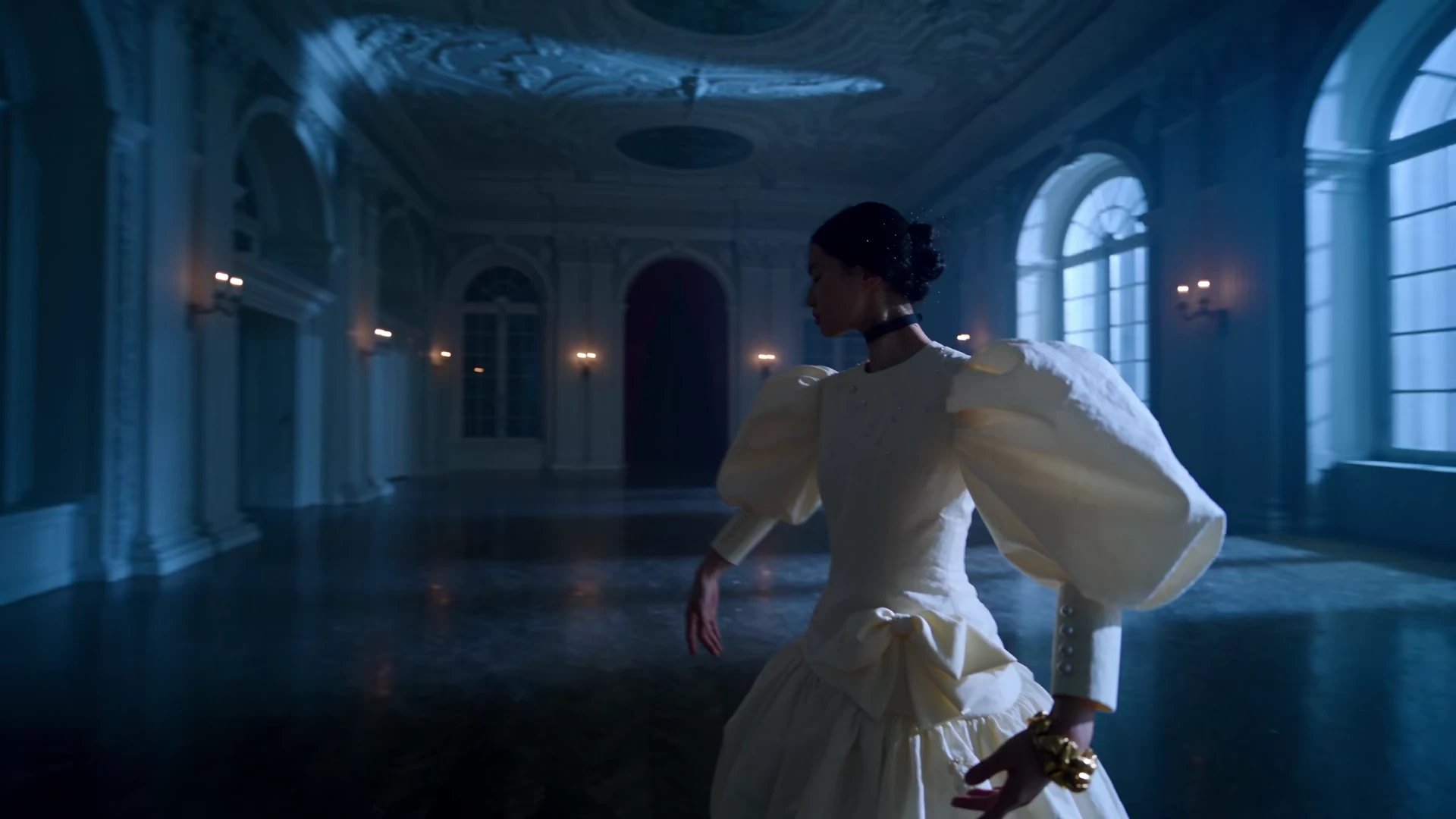
1. Executive Verdict: Why MAGI-2 Reset the Conversation
MAGI-2 is the flagship unified audio-video model from Sand.ai, founded by Yue Cao, former Principal Researcher at Microsoft Research Asia and co-author of Swin Transformer. The model rolled out in two distinct stages: an open-weight 114B Preview (around 6B active parameters, 5.8% sparsity, Apache-2.0) in August 2026 capped at 10-second clips, followed by the 480B flagship release on November 24-25, 2026.
The flagship scales total capacity more than 4x to 480B parameters (~28B active per token) and pre-training data roughly 3x to 4T tokens across about 1 billion samples annotated in three weeks. It supports 4-30 second 1080p 25 fps output with synchronized dialogue, foley, ambience, and music, up to 20 multimodal references (10 images, 5 videos, 5 audio clips), long structured scripts, timed shot transitions, and targeted editing on existing footage.
Just under three weeks before launch, Sand.ai closed a $200M Series A+ round, bringing total funding to $300M in ten months, while deploying commercial inference on domestic GPU stacks including Moore Threads MTT S5000 and Hygon. Across the first 48 hours of public testing, one clear consensus emerged: MAGI-2 does not beat Seedance 2.5 on absolute photorealism or vocal depth, yet it already sits at #1 in Image-to-Video benchmarks while cutting per-second video cost by roughly 7x to 10x.
The Short Take
Treat MAGI-2 as a top-tier visual director and multi-reference workhorse priced for real iteration. In silent visual quality, camera movement, and Image-to-Video rankings it stands at the top of the field. Its main trade-offs are synthetic-sounding native audio, slower early-launch queues, and the fact that the 480B weights are still promised rather than downloadable today.
2. Blind Benchmarks: Artificial Analysis & Video Arena
Two independent blind leaderboards paint a remarkably consistent picture: MAGI-2 leads or ties for first in visual Image-to-Video tasks, trails only Seedance 2.5 in professional director blind duels, and loses ground specifically when native audio weighs heavily in Text-to-Video votes.
Live Nov 26, 2026 Elo standings across the four Artificial Analysis Video Arena v2.1 tracks. Notice the #1/#2 visual tracks versus #6 on T2V with audio.
- #1I2V (With Audio)1163 Elo
vs #2 Seedance 2.5 (1158) · #3 Utopai X (1148)
- #1I2V-Silent1153 Elo
vs #2 Utopai X (1147) · #3 Kling 4.0 (1132) · #4 Seedance 2.5 (1128)
- #2T2V-Silent1144 Elo
5,313 battles · behind #1 HeyGen Video 1 (1147)
- #6T2V (With Audio)1150 Elo
5,441 battles · behind Wan 3.0 (1175) & Seedance 2.5 (1154)
MAGI-2 Pairwise Win Rates (Blind Director Duels)
Percentage of blind side-by-side votes won by MAGI-2 against each rival.
39%
vs Seedance 2.5
71%
vs Seedance 2.0
79%
vs Wan 3.0
83%
vs Kling 4.0
83%
vs MiniMax H3
Preview (Aug 2026) to Flagship (Nov 2026) Scaling Jump
Total Parameters
480B
>4x capacity
Preview: 114B
Active / Token
~28B
5.8% sparsity
Preview: ~6B
Pre-Training Data
4T Tokens
~3x (~1B samples)
Preview: 1x Preview
AA 4-Task Average
1150.3 Elo
+151.8 Elo
Preview: 998.5 Elo
On Artificial Analysis Video Arena v2.1 (live snapshot on November 26, 2026), MAGI-2 ranks #1 in Image-to-Video with audio (1163 Elo, 1165 on launch day) ahead of Seedance 2.5 (1158) and Utopai X (1148), and #1 in I2V-Silent (1153 Elo) ahead of Utopai X (1147), Kling 4.0 (1132), and Seedance 2.5 (1128). In Text-to-Video Silent it holds #2 (1144.09 Elo across 5,313 battles), right behind HeyGen Video 1 (1147).
The telling outlier is Text-to-Video with audio, where MAGI-2 drops to #6 (1150.46 Elo across 5,441 battles) behind Wan 3.0 (1175), Utopai X (1173), MiniMax H3 (1164), Hyperflow H3 (1156), and Seedance 2.5 (1154). That gap mirrors what independent reviewers hear directly: visual direction is tier-one, while raw synthesized voice and mix depth still lag behind the best audio-native competitors.
Higgsfield Video Arena (November 24, 2026, 16:00 UTC) adds a professional lens, aggregating blind pairwise votes from working directors, animators, and designers using a Bradley-Terry rating. MAGI-2 finishes #2 overall at 1146 with a 60.5% overall win rate. It decisively beats Seedance 2.0 (71%), Wan 3.0 (79%), Kling 4.0 (83%), and MiniMax H3 (83%), while losing 39% to 61% head-to-head against Seedance 2.5 (1219 score, 63.9% overall win rate).
3. The $0.08/s Economics Shift
What turned MAGI-2 from an interesting model release into a production inflection point is its position on the cost-quality curve. Mid-tier pricing now buys top-two blind benchmark quality.
30-Second 1080p Clip Cost & 100-Clip Monthly Batch Comparison
Public rates verified Nov 24-26, 2026. Gemini Omni 1.2 Flash is capped at 15s per clip and requires stitching two renders for 30s.
| Model / Channel | Rate / sec | 30s Clip | 100x 30s Batch |
|---|---|---|---|
MAGI-2 (Sand.ai Official API) 1080p 25 fps with audio; self-serve API top-ups pending | $0.080/s | $2.40 | $240 |
MAGI-2 (Kie.ai API) Hosted pay-as-you-go third-party API endpoint | $0.088/s | $2.64 | $264 |
Google Gemini Omni 1.2 Flash Capped at 15s per generation; requires stitching | ~$0.104/s | ~$3.12 | ~$312 |
MAGI-2 (Higgsfield Plus Web) 2.5 cr/s; default 1 concurrent job, no 720p draft tier | ~$0.123/s | ~$3.69 (75 cr) | ~$369 |
Seedance 2.5 (BytePlus ModelArk) 480 credits/30s on Higgsfield (6.4x MAGI-2 credits) | $0.539-$0.652/s | ~$17.07 | ~$1,707 |
Sand.ai lists its official 1080p API rate at $0.08 per second (RMB 0.50 per second in China), or $2.40 for a full 30-second clip with audio. On BytePlus ModelArk, equivalent 1080p Seedance 2.5 runs $0.539-$0.652 per second, roughly $17.07 for 30 seconds. Across a realistic monthly campaign of 100 thirty-second ad variations, bare API spend drops from $1,707 to $240.
Third-party platforms reflect a similar gap. On Higgsfield, a 30-second 1080p MAGI-2 render costs 75 credits (2.5 credits/sec, roughly $0.123/sec on the Plus tier), compared to 480 credits for Seedance 2.5, a 6.4x spread. API aggregators like Kie.ai price MAGI-2 at $0.088/sec, while domestic launch partner LibTV ran promotional rates as low as RMB 0.05/sec.
Technical breakdowns from ZPedia and Japanese engineering blogs point out that this price floor is not pure subsidy. Sand.ai combines Multi-Head Latent MoE with Head Parallel (~22% faster training and ~23% lower compute at matched loss), decomposed post-training (parallel visual, audio, and distillation tracks merged afterward), and a two-stage latent upscaler that re-injects original reference images at 1080p to preserve tiny faces and text without dense full-res attention.
Billing Catch to Verify Before Budgeting
As European tech outlet i10X News and Japanese reviewer techno_news flagged on November 25, Sand.ai's official API documentation explicitly notes that account top-ups are not supported yet. Meanwhile, subscription web apps charge full credit rates on rerolls and do not roll over unused monthly credits. Plan real unit economics around 3-5 takes per finished shot, not single-shot list price.
4. What Creators Actually Built and Tested
Across English, Chinese, and Japanese creator channels, testing moved past simple hero prompts almost immediately. Four distinct production workflows stand out from the first wave of hands-on outputs.
Interactive Comparison · Camera Control
From Rough Camera Previz to 1080p Final Cut
Long-Form & Timed Cuts
30-Second Multi-Cut Scripts With Sub-Second Cue Accuracy
Because MAGI-2 accepts long structured scripts (up to 15,000 Unicode code points on API and 20,000 characters in web interfaces), creators tested complete 30-second mini-scenes with timestamped beats.
- APPSO (ifanr) ran a 1,700-word single-take kitchen escape for a rolling orange with consistent bounce physics, plus a GTA 6 screenshot expanded into a 30-second Miami chase from top-down to tracking shot.
- A NetEase 10-hour commercial test fed 4 character stills, 1 set image, and a 1,800-word script into a 30-second period drama with 12 cuts. A scripted reaction cut at 15.0s landed at 15.04s, and a cut back at 17.0s landed at 16.72s.
- Tencent News tested a 2,300-word 1970s Shaw Brothers style comedy across a dozen angles where prop causality held across cuts: a bite taken out of a white radish in the opening stayed visible at the finale.
Commercial & Localization
20-Reference Wardrobe Swaps and Multilingual Lip-Sync Edits
Advertising and e-commerce teams leaned heavily on the 20-item multimodal slot (10 images, 5 videos, 5 audio clips) and targeted video editing.
- Tencent News loaded 10 assets (a 15s motion video, rainy bus stop, face reference, and 7 couture outfits) to achieve 7 seamless outfit changes across 6 foreground wipes, with the character's umbrella automatically shifting color to match each look.
- NetEase tested cropped cuff-detail references behind a tote-bag wipe from a bedroom mirror to a subway screen door, preserving sleeve pleats and knitwear texture on freeze-frame inspection.
- APPSO used targeted editing to re-dub a 15-second product presenter into French and Italian, reshaping lip movement to the new language while keeping framing, camera move, and gestures untouched.
Camera Control & Stylized Art
Grey-Box Blender Previs and Zero-Drift Art Styles
Filmmakers on Reddit (r/HiggsfieldAI) and Atlas Cloud embraced grey-box 3D animation as a deterministic camera rail, while illustrators praised strict style restraint.
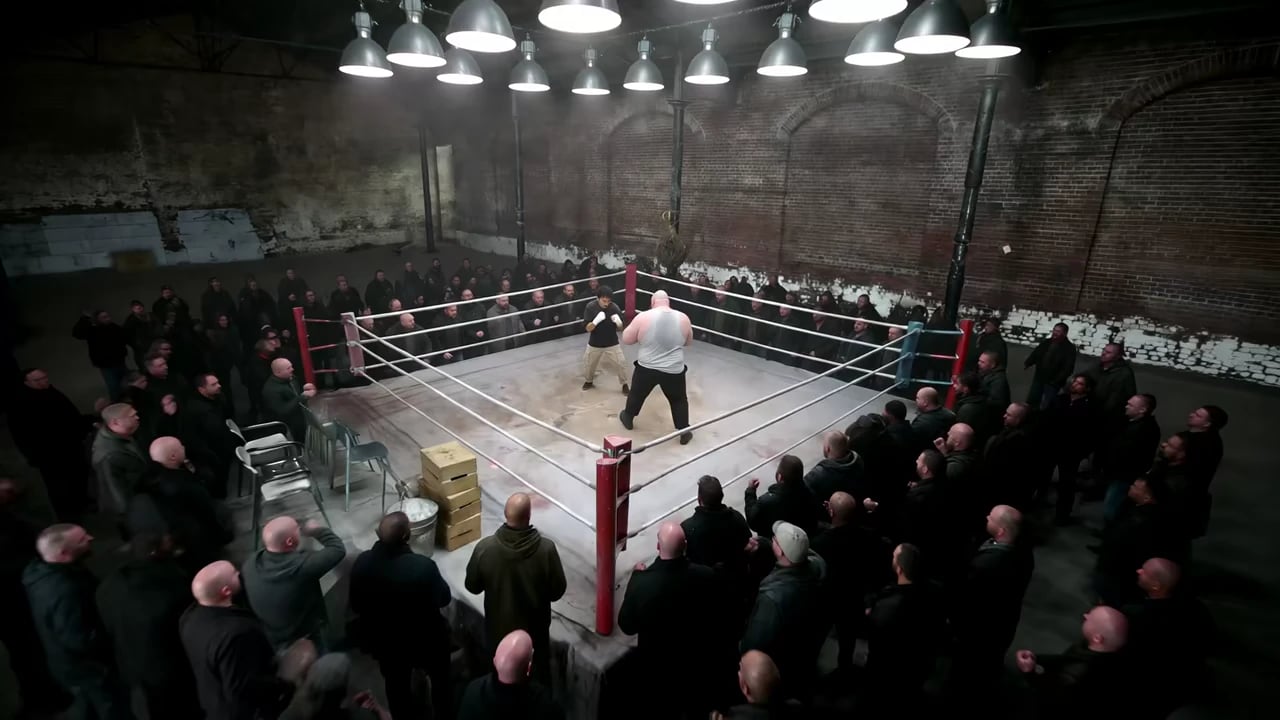
- Using rough Blender blockout clips as a Video Reference locks 0:00-0:23 camera choreography and reveal timing while separate image references lock cast and lighting, demonstrated in Higgsfield's bathroom fight sequence.
- Multiple testers (Kazik, APPSO, CSDN) ran layered paper-cut animations, impasto oil paintings, and Matisse or Magritte sequences without the model drifting back into generic 3D CG rendering.
- In Japan, YouTube creator Creators AI JP demonstrated integrating Cinema 4D 3D layouts with MAGI-2 native sound output and Canva post-editing for rapid commercial deliverables.
Code & Agent Pipelines
Bidirectional Video-to-Code and Hybrid Local-Cloud Workflows
At $0.08/s, video generation crosses the economic threshold for programmatic iteration inside coding-agent loops.
- Creator Guizang (@op7418) open-sourced a bidirectional Video <-> Code workflow: generating a 6-second Dunhuang motion reference to drive CSS Scroll-driven Animations and Web Audio, and exporting Canvas 2D boss-fight greybox code (exact parry freeze at 2.3s, push-in at 4.1s) to redraw into ink-wash combat.
- UI logic and text fidelity held up under stress tests: sliding RGB color bars shifted scene lighting in real time, and coffee receipt printing plus calligraphic stroke order rendered without jello distortion.
- Engineering blog OrcaRouter framed the practical deployment pattern for teams: pair a lightweight local LLM (such as Gemma 4 12B) for script planning with hosted MAGI-2 as the cloud camera renderer.
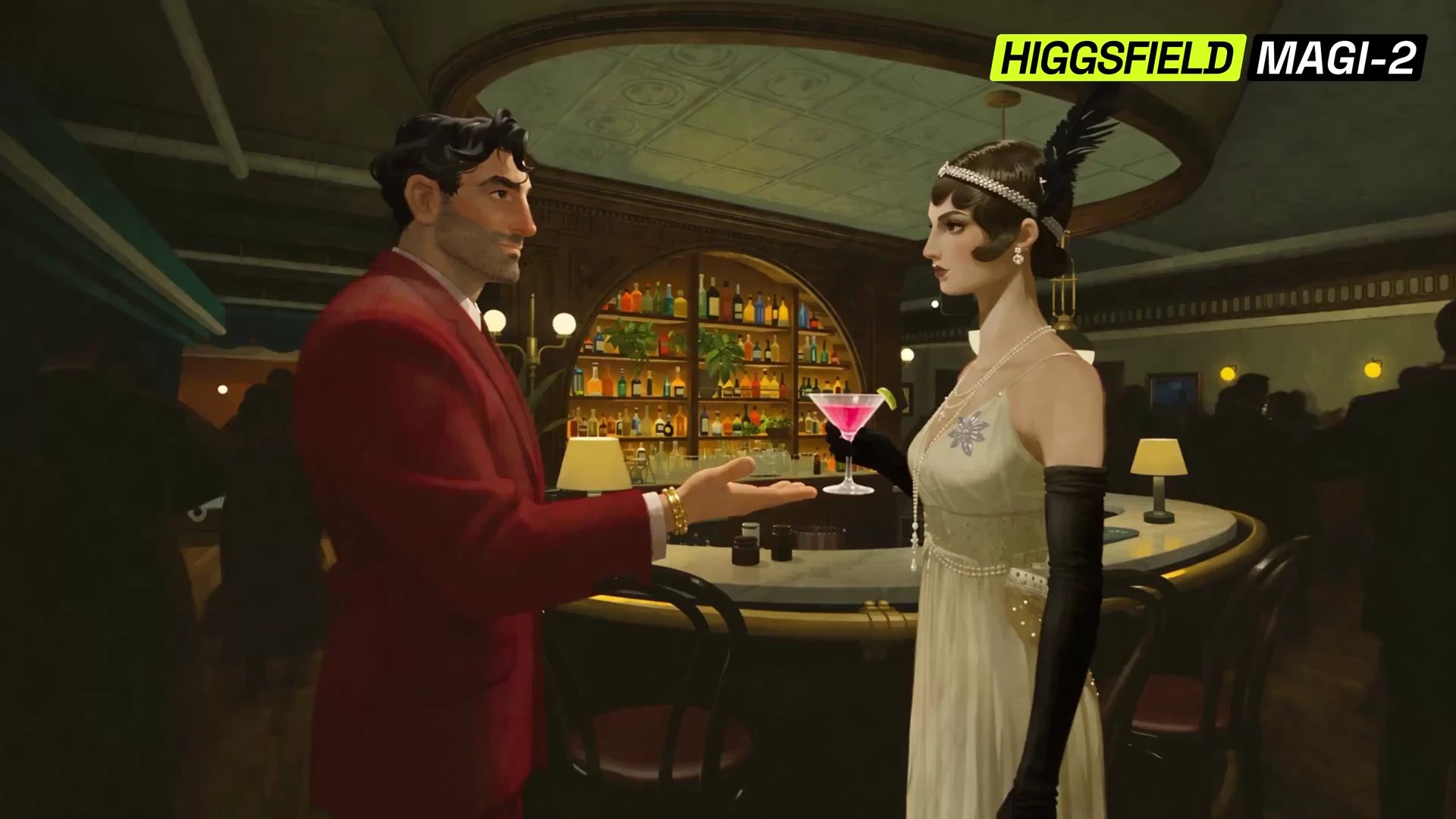
Multi-Reference Lock · 3 Stills to 1080p Scene
Locking Cast and Lighting Across Continuous Dialogue
Reference Inputs

@Image 1 · Lead A

@Image 2 · Lead B

@Image 3 · Set Lighting
MAGI-2 Output
5. Cross-Community Test Matrix
Comparing independent reviews across English, Simplified Chinese, Japanese, and Traditional Chinese communities filters out launch hype and exposes repeatable patterns.
| Reviewer / Outlet | What They Tested | Where MAGI-2 Won | Where It Fell Short |
|---|---|---|---|
| Global / ENHiggsfield Video Arena | Blind 6-model pairwise voting by directors, animators, and designers | #2 overall (1146, 60.5% win); 71-83% wins vs Seedance 2.0, Wan 3.0, Kling 4.0, MiniMax H3; Pareto cost leader | Trailed Seedance 2.5 head-to-head (39% vs 61%) |
| EN / YouTubeJSFILMZ & AI Samson | Same-prompt Higgsfield duels: mech battles, car morphs, bar dialogue, hospital drama | 6.4x cheaper (75 vs 480 credits/30s); less aggressive safety blocks on dramatic and hospital prompts | Seedance 2.5 stays slightly steadier on peak realism and strict prompt locks |
| EU / EN Mediai10X News (Christopher Ort) | Enterprise cost audit ($240 vs $1,707 per 100 clips) and specification verification | First model at mid-tier price to crack top-2 blind quality at native 1080p 30s | Flagged 4 catches: no API top-ups yet, 480B vs 400B spec mismatch, exclusivity ambiguity, no 480B open-weight date |
| ZH / MediaDigital Life Kazik | 360-degree coat orbit, stairwell paper plane, 5-in-1 physics cut vs Seedance 2.5, paper-cut & oil styles | Best camera movement in test (beat Seedance in internal blind poll), tight style restraint, low reject rate | Audio and voices sound synthetic (~Seedance 2.0 level); soda splash color error; stairwell geometry breaks |
| ZH / SubstackFuneral AI | Multi-character period drama, dialogue with complex on-screen typography & calligraphy, song lyric swap | Beat Kling 4.0 and MiniMax H3 cleanly; beat Seedance 2.5 on Chinese typography and brush stroke order | Motion video ref caused face bleed; stiff extras; audio feels detached; lyric edit failed; slow queues |
| ZH / CommercialNetEase 10h / 100+ Roll Audit | 4 commercial pipelines (drama, TVC, K-pop dance, fashion e-commerce); 3,174 credits for 12 finals | Near-exact timeline cuts (15.04s on a 15s cue); solid wardrobe continuity; viable batch iteration budget | Missed a scripted OTS cut at 22s; strict K-pop choreography still needs multi-shot editing; product detail hallucinations |
| ZH / YouTubeAI Product Sniper (kzhu) | 6 hard stress tests: Newton's cradle, Rubik's top layer, cup tap order, pillar wipe, vintage DV drip | Strong classical physics (Newton's cradle, static cup contact) and authentic vintage DV continuity | Multi-constraint counting slips (3 cranes became 2, extra green Rubik's square, stud became hoop earring) |
| JA / TechAI-Driven Lab & techno_news | 40-layer MoE / Head Parallel source inspection + audit of Sand.ai's 4 official caveats and API limits | Pragmatic architecture choices, Apache-2.0 preview licensing, clear 1-2 action + 1 camera move prompt rule | High-speed motion instability, overly smooth mid/far 2D animation, thin dense soundscapes, steep director prompt curve |
How Different Communities Evaluated MAGI-2
English / Western
Pareto cost, moderation & local GPU reality
Centered on the $2.40 vs $17.07 math, Blender grey-box camera workflows, looser content moderation than Seedance 2.5, and frustration on Reddit that 114B-480B weights cannot run on consumer GPUs or ComfyUI.
Simplified Chinese
Commercial ROI, short drama & coding loops
Focused on breaking Seedance's price monopoly for TVC, e-commerce, and short-drama teams, validating sub-second timeline cuts and Video-to-Code loops while sharply critiquing AI-timbre audio and queue speed.
Japanese & Traditional Chinese
Architecture audit, determinism & 3D toolchains
Dug into why MAGI-2 dropped MAGI-1 autoregressive chunking to scale single-stream MoE, highlighted bit-exact determinism (MAGI2_DETERMINISTIC=1), audited Sand.ai's 4 official limits, and tested Cinema 4D + Canva integration.
6. Visual Fidelity, Camera Craft, and Audio Reality
When you strip away hype and look frame by frame across independent renders, MAGI-2 shows a clear profile: camera directing and style adherence punch above its price, physics holds on everyday scenes, and native audio is the clearest bottleneck.
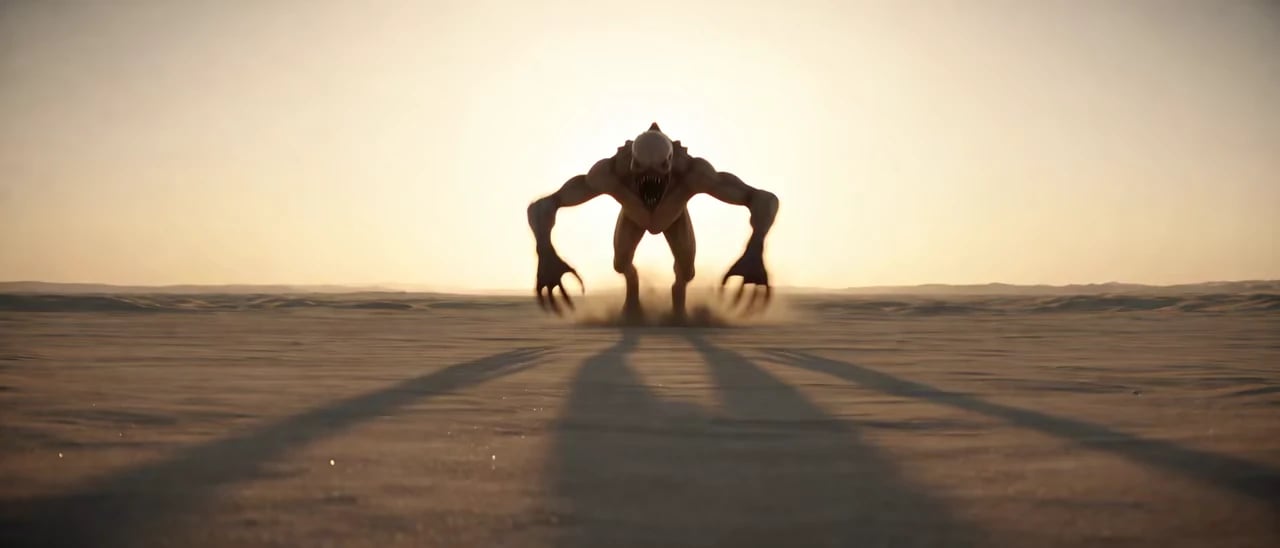
Camera Movement, Acting, and Style Restraint
Performance and camera framing test. Reviewers repeatedly noted decisive pacing, natural deceleration pauses, and minimal drift into generic CG gloss.
- Orbiting, tracking, and crane moves execute cleanly with controlled deceleration, beating Seedance 2.5 in Digital Life Kazik's internal blind studio vote.
- Stylized prompts (paper-cut, thick oil paint, ink wash, vintage DV) stay faithful to the medium instead of reverting to synthetic 3D shading.
- On-screen text, receipts, and even Chinese calligraphy stroke order render crisply without typical warp or jello artifacts.
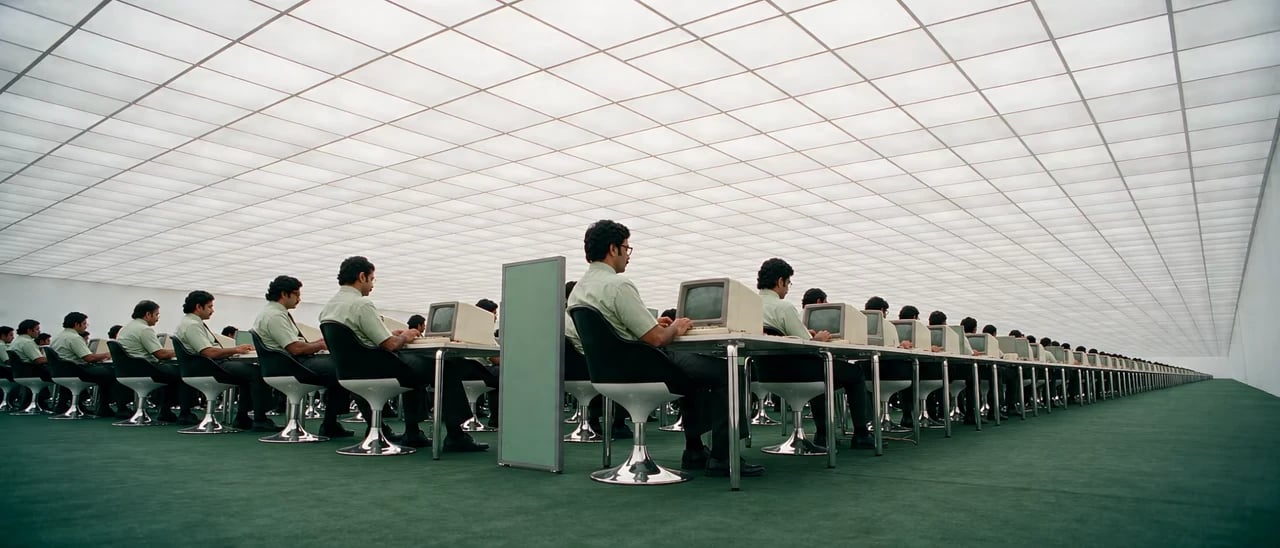
Native Audio, Dialogue Timbre, and Soundstage
Single-stream audio-video output removes manual rough foley work, but vocal naturalness and layered soundstage depth remain behind Seedance 2.5.
- Lip sync and basic ambience (footsteps, wind, crowd murmur) line up accurately enough for rough cuts, social feeds, and rapid localization.
- Human voice timbre carries a noticeable synthetic edge (roughly on par with Seedance 2.0) and sometimes sounds layered on top of the scene rather than grounded in room acoustics.
- Guizang and other testers observed background music and action SFX occasionally trading off instead of co-existing smoothly in dense action beats.
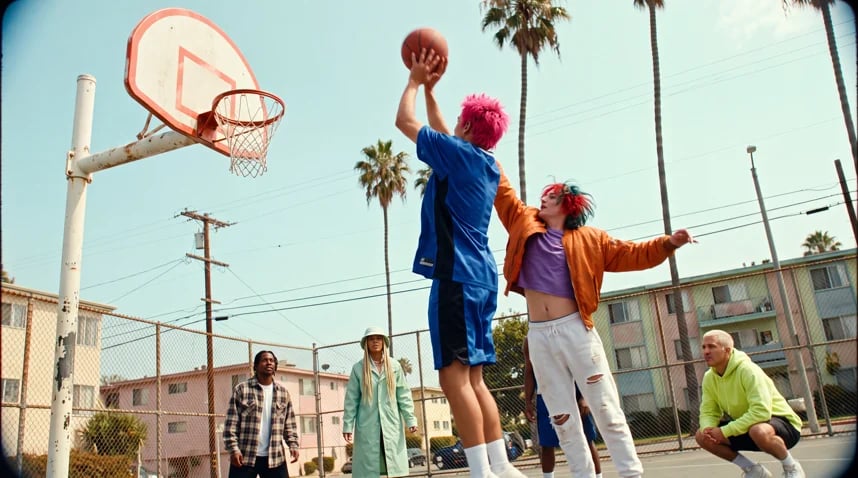 Unfiltered 4T Pre-Training · Complex Scenes
7. Limitations, Local Hardware, and the Open-Weight Reality
Every serious evaluation flagged specific friction points. Know these six boundaries before moving a live client workflow onto MAGI-2.
Audio Lags Visual Quality
The clearest metric proof is Artificial Analysis itself: #1 in I2V and #2 in T2V-Silent, yet #6 in T2V with audio. For hero dialogue spots, plan to replace or master the audio track in post.
Queue Latency and Single-Job Caps
Testers on Bilibili and Substack reported slow render queues during launch week, especially when attaching video references. Higgsfield defaults to 1 concurrent task with no 720p fast-draft option.
Face Bleed, Counting Slips, and High-Speed Limits
Motion reference videos can leak source faces onto target characters. Multi-object counts (such as 3 cranes or Rubik's tiles) still drift occasionally, and Sand.ai itself warns of trajectory breakup under extreme high-speed motion and over-smoothed mid/far 2D animation.
Emergent Behaviors Dampened After Aesthetic Tuning
Sand.ai disclosed that its raw 480B base model showed visual reasoning (step-by-step 9x9 Sudoku, mazes) and implicit shot-reverse-shot directing, but aesthetic post-training makes those emergent behaviors harder to trigger.
480B Weights Are Promised, Not Released Yet
Only the August 2026 114B Preview is open-weight (Apache-2.0) today. The 480B flagship remains hosted API and partner-exclusive for now, with no published release date or license and an unresolved 480B vs 400B parameter discrepancy across announcements.
Director-Level Prompting Curve
Unlocking 20 references and 30-second timelines requires structured direction rather than one-line prompts. Both Higgsfield and Japanese testers recommend capping each single shot at 1-2 clear actions and 1 camera move for highest first-try hit rate.
Can You Run MAGI-2 Locally on a Consumer GPU?
No. Even the smaller 114B Preview totals roughly 307 GB of weights (228 GB main transformer, 14 GB refiner, 56 GB Qwen3.5-27B text encoder, Wan2.2 Video VAE, and Stable Audio Open 1.0 VAE). Official inference requires 8x NVIDIA Hopper GPUs (8x H100 80GB), while the vLLM-Omni community minimal recipe still needs 4x L20X (140 GiB each) plus 2 TiB of host RAM. No ComfyUI custom node exists yet, making MAGI-2 strictly a cloud or cluster model for individual creators.
8. Final Verdict: MAGI-2 vs Seedance 2.5 and Recommended Pipeline
MAGI-2 does not make Seedance 2.5 obsolete. Instead, it eliminates the need to pay flagship prices for exploration, B-roll, stylized scenes, and multi-reference iteration.
Where MAGI-2 Excels
- #1 on Artificial Analysis I2V (1163 Elo) and I2V-Silent (1153 Elo), and #2 on Higgsfield Director Arena (60.5% win rate).
- Official API at $0.08/s ($2.40 per 30s 1080p clip), roughly 7x to 10x cheaper than Seedance 2.5.
- Native 4-30s continuity with strong timeline cut precision and up to 20 multimodal references.
- Standout camera craft, grey-box Blender previz control, crisp on-screen text, and restrained stylized rendering.
- More permissive moderation on dramatic and medical scenes than Seedance 2.5, plus targeted multilingual lip-sync editing.
Where to Stay Cautious
- Native voice and complex soundscapes remain noticeably weaker than Seedance 2.5.
- Peak photorealistic skin texture and extreme micro-physics still trail Seedance 2.5 slightly (39% vs 61% head-to-head).
- Slow launch-week queues, 1-job default concurrency on Higgsfield, and official API top-ups not yet self-serve.
- Motion video references can cause face bleed; strict product details and choreography still require shot-splitting and QA.
- 480B weights have no release date yet, and even 114B Preview requires datacenter-grade multi-GPU clusters.
Which Model Should Your Team Pick?
Choose MAGI-2
Best fit when creative iteration speed, multi-reference control, or unit cost drives your workflow.
- High-volume ad testing, e-commerce lookbooks, and short-drama production
- 15-30s scripted sequences with timed cuts and 20-asset reference locks
- Stylized animation (paper-cut, oil paint, ink wash) and crisp on-screen typography
- Blender grey-box camera control, multilingual lip-sync dubs, and coding-agent loops
Choose Seedance 2.5
Worth the 6-7x premium when a single hero shot must carry maximum visual and vocal realism.
- Tight photorealistic close-ups where skin, eyes, and micro-physics are scrutinized
- Dialogue-heavy spots relying on native vocal depth and spatial room acoustics
- Workflows that benefit from a dedicated 720p fast-draft tier before 1080p finals
Run the Hybrid Pipeline
The most common recommendation across English and Chinese production teams.
- Explore concepts, lock camera blocking, and generate 80% of shots on MAGI-2
- Reserve Seedance 2.5 selectively for high-stakes hero close-ups
- Strip or refine MAGI-2 dialogue and BGM stems in audio post when delivering broadcast cuts
9. Frequently Asked Questions
Direct answers on MAGI-2 benchmarks, real pricing, open-weight availability, and hardware requirements.
Primary Sources & Verification Links
Every benchmark figure, price quote, and test observation in this review traces back to the primary releases and independent evaluations listed below.
- Official
Sand.ai Official MAGI-2 Blog
480B MoE architecture, 4T pre-training tokens, +151.8 Elo scaling, and 4 disclosed limitations.
- Benchmark
Artificial Analysis Video Arena (I2V & T2V)
Live v2.1 Elo rankings: #1 I2V (1163), #1 I2V-Silent (1153), #2 T2V-Silent (1144), #6 T2V (1150).
- Benchmark
Higgsfield: Announcing MAGI-2
Nov 24, 2026 16:00 UTC Bradley-Terry director blind arena (#2, 1146, 60.5% win) and previz examples.
- Analysis
i10X News: 30-Second 1080p at a Seventh of Seedance's Price
$2.40 vs $17.07 unit economics and Four Catches audit (API top-ups, 480B vs 400B, open-weight timeline).
- Analysis
CryptoBriefing: Sand.ai MAGI-2 Launch & Funding Context
AA leaderboard tie context alongside Sand.ai's $200M Series A+ ($300M total funding).
- Video Review
JSFILMZ & AI Samson (YouTube): MAGI-2 vs Seedance 2.5
Side-by-side Higgsfield duels comparing 75 vs 480 credit costs and moderation differences.
- Hands-On (ZH)
APPSO / ifanr: MAGI-2 Real-World Stress Tests
1,700-word Orange Escape single-take, GTA 6 chase, French/Italian lip-sync editing, and art animations.
- Hands-On (ZH)
Digital Life Kazik (Sina Finance): Price Reset & Blind Tests
360-degree camera praise, style restraint, and honest critique of synthetic native audio.
- Hands-On (ZH)
Funeral AI (Substack) & NetEase 100-Roll Commercial Audit
Typography/calligraphy wins, face-bleed caveats, timeline accuracy (15.04s), and real credit bills.
- Hands-On (ZH)
Guizang (@op7418) & TechGoGoGo (kzhu 6-Test Benchmark)
Bidirectional Video <-> Code workflows, UI logic, Newton's cradle physics, and multi-constraint slips.
- Engineering (JA)
AI-Driven Lab & techno_news (note.com)
40-layer MoE / Head Parallel breakdown, official 4 limitations audit, and API quota reference.
- Open Weights
GitHub SandAI-org/MAGI-2-preview & vLLM-Omni L20X Recipe
Apache-2.0 114B Preview weights (307 GB), ComfyUI Wiki breakdown, and 4x L20X minimal deployment.